

A common question we hear is “Does a greenhouse need a heater?”
Sometimes the answer is yes. Sometimes it’s no. And in many cases, it becomes clear pretty quickly once you look at how you want to use your greenhouse and the kind of winter you’re working with.
Most of the uncertainty around greenhouse heating comes from starting with equipment instead of intent. When you begin with your growing goals and local conditions, the decision tends to feel much more straightforward.
Below is a practical way to think through it, based on how experienced growers approach the question in real life.
How to Decide if Heating Makes Sense for Your Greenhouse
Instead of starting with heaters and equipment, it helps to start with a few simple questions. This is the same order we use when helping customers think it through.
There are two main things to consider.
First: What Do You Want to Grow or Protect?
The most important question is also the simplest: what’s the most sensitive plant you plan to keep in the greenhouse during winter?
That plant sets the minimum temperature you need to maintain. Everything else follows from there.
Here’s how we generally see this break down:
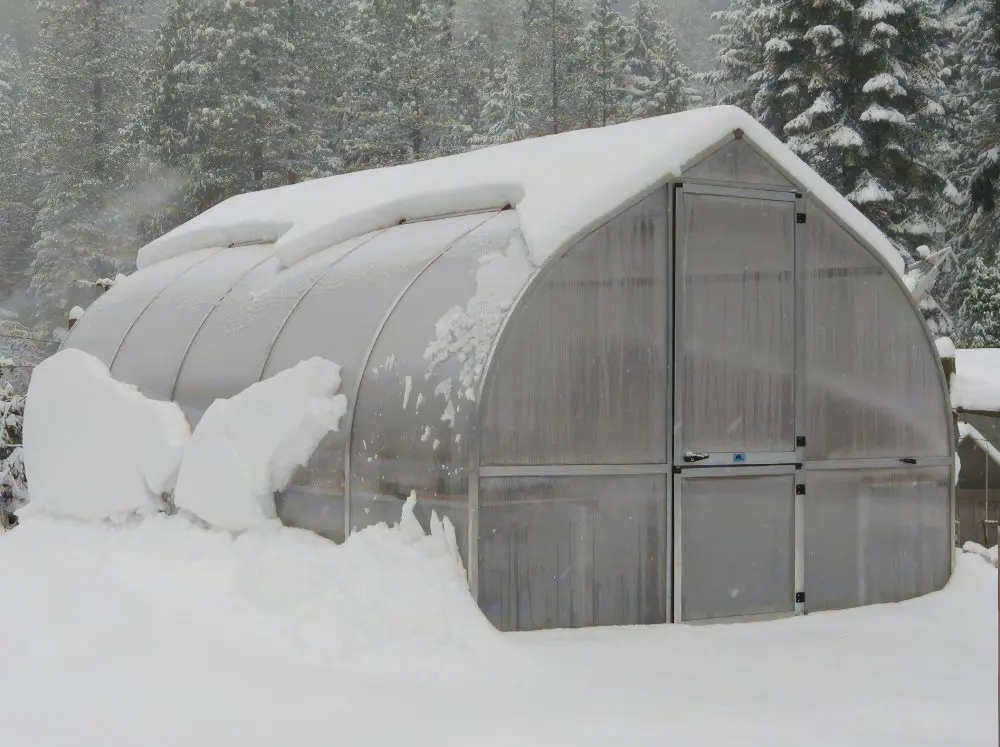
Frost Protection (around 35°F)
This is about preventing freeze damage, not encouraging active growth. It works well for hardy herbs, overwintering dormant perennials, and protecting cool-season crops like kale or spinach during cold nights.
Cool Growing (around 50°F)
This range supports steady growth for cool-season vegetables, keeps citrus trees healthy, and allows many tropical plants to rest without stress.
Tropical Warmth (around 60°F)
This is true active growth. Warm-season seedlings like tomatoes and peppers, along with tropicals such as orchids or hibiscus, need consistent warmth to thrive.
If you’re not fully sure which category you fall into yet, that’s okay. Many growers refine this over time as they learn how they actually use their greenhouse.
Second: What Kind of Cold Are You Dealing With?
Once you know your temperature goal, the next piece is understanding your local winter conditions. You don’t need exact historical data here. A general sense of your typical winter lows is enough to guide the decision.
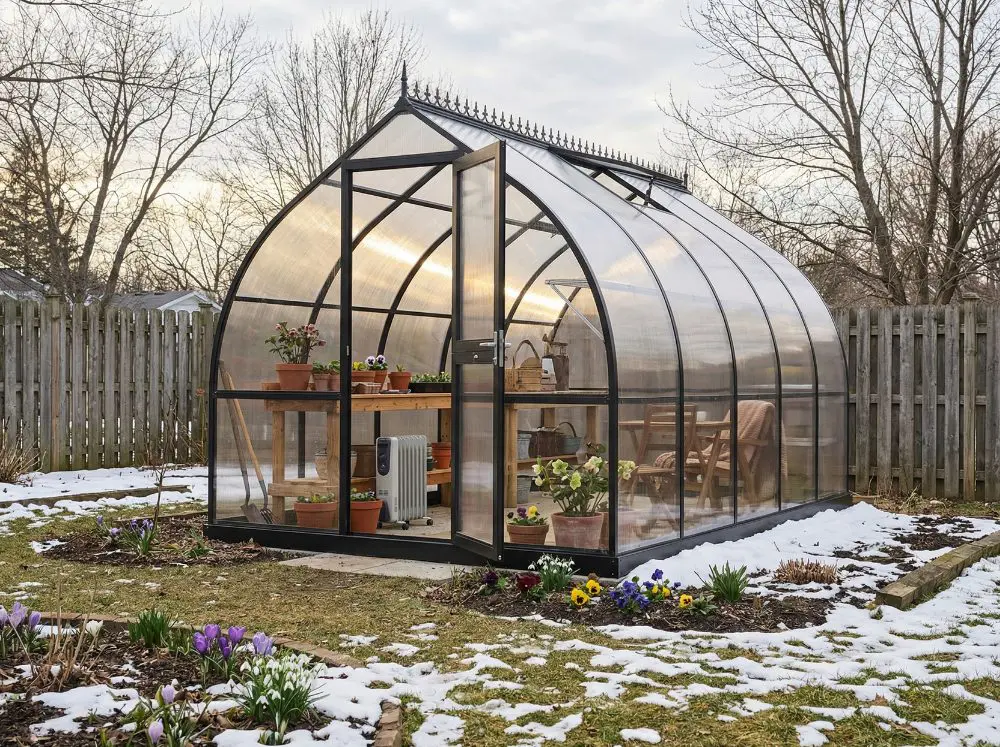
We usually think about cold exposure in three broad categories:
Light Frost (28-32° F)
If your winter lows hover around the upper 20s to low 30s, you’re typically working against a small temperature gap.
Hard Freeze (15-27° F)
Lows in the teens or low 20s create a much bigger challenge and often require more than passive solutions.
Deep Freeze (Below 15° F)
If temperatures regularly drop below 15°F, heat loss becomes significant, even in well-built greenhouses.
This step isn’t about predicting the weather perfectly. It’s about understanding the temperature gap you’re working against on the coldest nights.
Putting It Together: What Level of Heating Makes Sense?
Once you know what temperature you need and how cold it gets outside, the heating decision usually becomes clear.
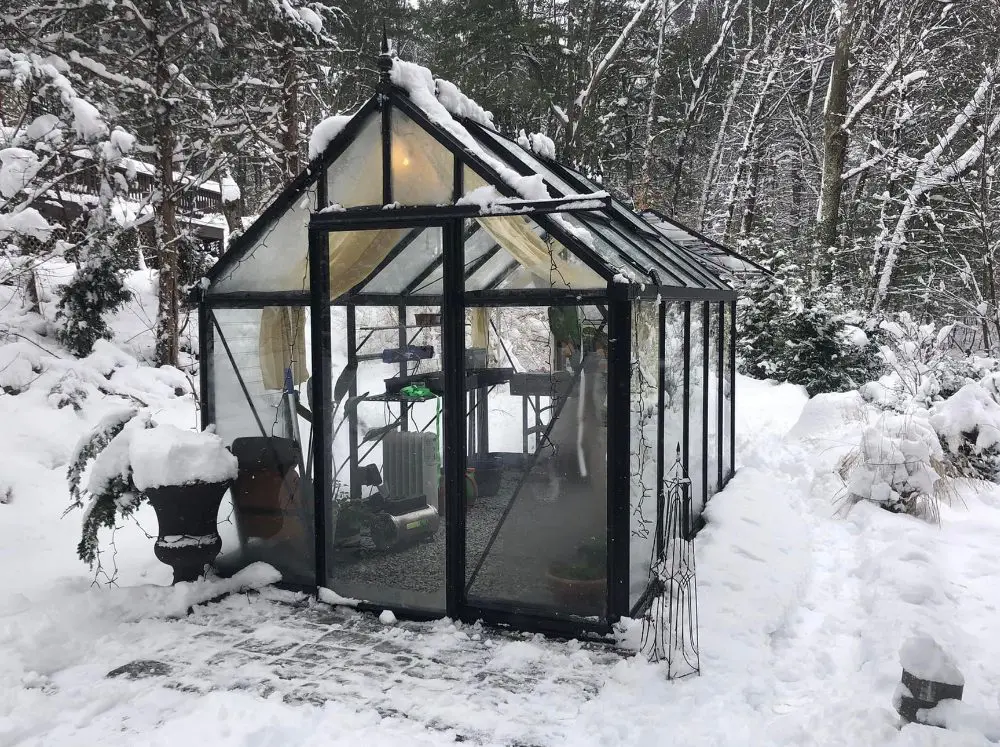
Here’s how those two factors tend to line up in real-world use:
- If your goal is frost protection and you only see light freezes, passive methods are often enough.
- If you’re aiming for cool-season growth and experience hard freezes, some form of active heat is usually needed.
- If you want tropical warmth in cold climates, active heating (and grow lights) becomes difficult to avoid.
In other words, the colder it gets outside — and the warmer you need it inside — the more likely active heat becomes part of the solution.
The table below brings these two factors together, showing how growing goals and winter conditions typically line up with different heating approaches.
| Winter Conditions vs. Your Goal | Light Frost | Hard Freeze | Deep Freeze |
| Frost Protection | Passive Heating | Spot Heating/Mini-Heater | Active Heater |
| Cool Growing | Passive + Spot Heating | Active Heater | Active Heater |
| Tropical Warmth | Active Heater | Active Heater | Active Heater |
When You May Not Need an Active Heater
If your needs fall into the frost protection or mild cool-growing range, you may be able to avoid a traditional space heater altogether.
In many hobby greenhouses, quieter and lower-energy options work surprisingly well when paired with good insulation.
Common examples include:
- Thermal mass, such as water barrels, to store daytime heat
- Row covers or plant-level protection
- Heating mats for seedlings or sensitive plants
- Careful sealing to reduce drafts
These approaches are simple, durable, and often more than enough for gardeners who aren’t trying to grow tropical plants through winter.
Get more non-electrical heating ideas from this guide!When Active Heat Becomes Important
If you’re maintaining steady growth or working through hard freezes, an active space heater is usually part of the equation. At that point, sizing matters.
An undersized heater runs constantly and still struggles to keep up. An oversized heater costs more to operate than necessary. In our experience, proper sizing is one of the most overlooked parts of greenhouse heating.
That’s why we recommend calculating your approximate heating requirement rather than guessing. A basic BTU estimate gives you a realistic starting point and prevents frustration later.
Use our simple calculator to pick the right heater size!Making Any Heating Choice Work Better
No matter which approach you take, reducing heat loss is one of the most effective ways to protect plants and control energy use.
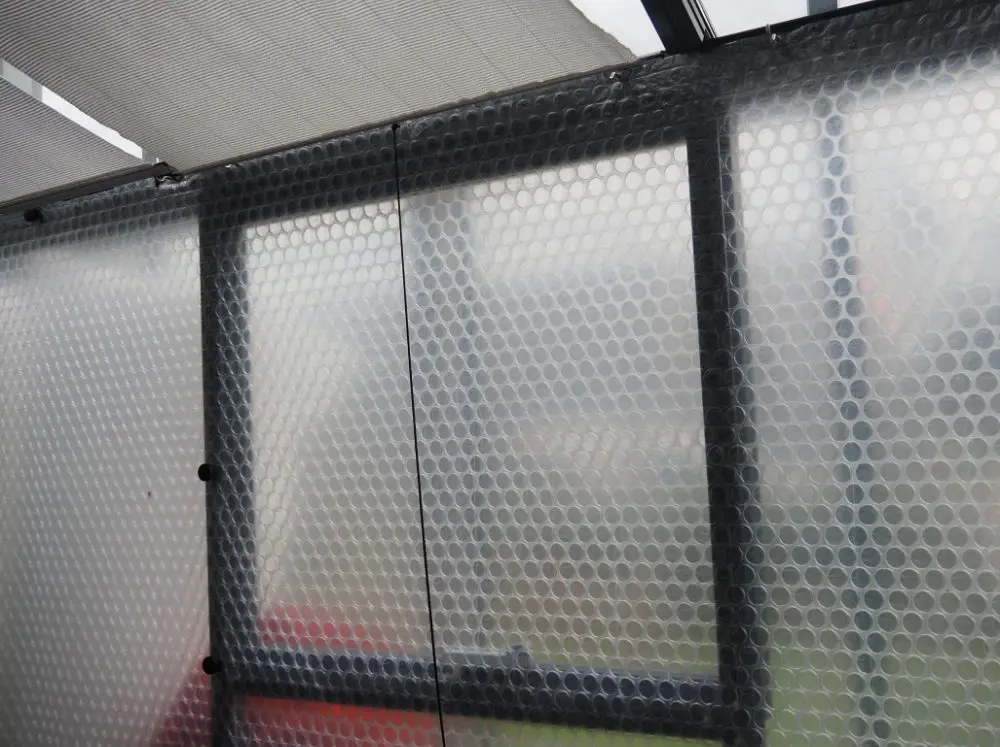
Simple steps like sealing gaps around doors and vents, adding temporary bubble wrap insulation, and minimizing drafts can make a noticeable difference.

We also recommend using a digital thermometer with min/max tracking at the plant level. It removes guesswork and helps you adjust based on what’s actually happening overnight.
A Clearer Path Forward
Greenhouse heating doesn’t need to be complicated. Once you’re clear on what you want to grow and understand the cold conditions you’re working with, the right solution usually reveals itself.
Many growers revisit this decision over time as their goals evolve. That’s normal — and part of learning how your greenhouse truly works.


