
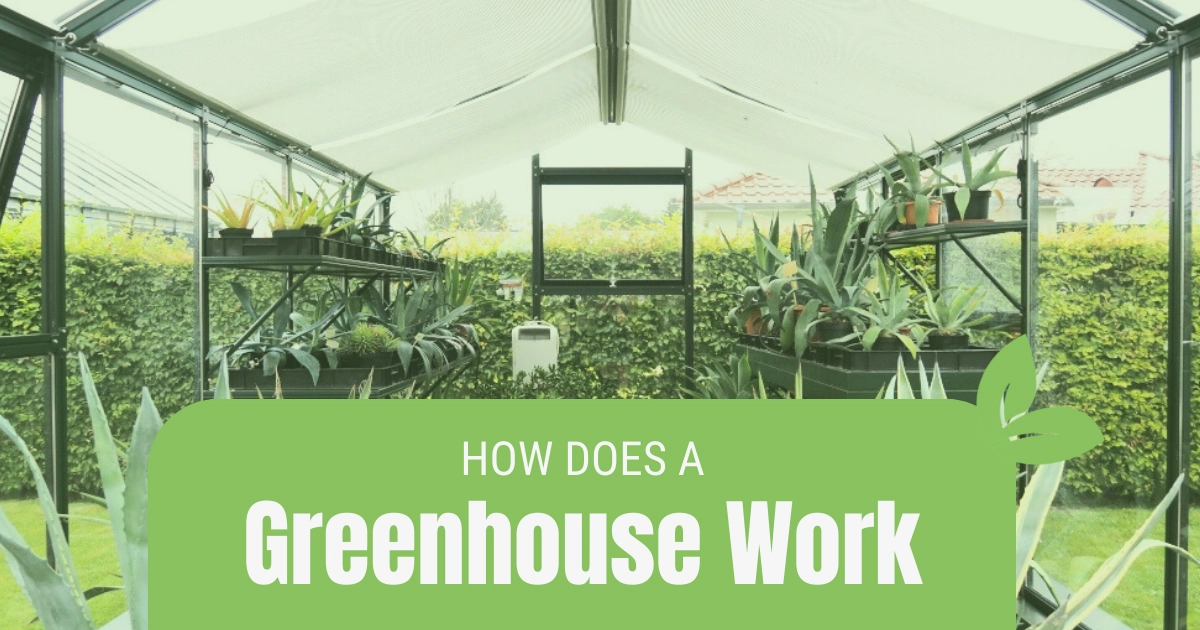
Knowing how a greenhouse works helps you get more out of it. At its core, a greenhouse creates a more controlled environment for plants than the outdoors.
It does this by letting sunlight in, holding warmth longer, and protecting plants from shifting weather. That makes it easier to grow plants that might struggle outside, extend the growing season, and create steadier conditions for growth.
If you’ve ever wondered how a greenhouse actually works, this guide explains the basics in a simple way.
What does a greenhouse do?
A greenhouse gives plants a more protected place to grow.
Instead of being fully exposed to wind, rain, frost, and sudden temperature swings, plants inside a greenhouse grow in a space where conditions are easier to manage. That added protection is one of the biggest reasons greenhouses are so useful.
A greenhouse can help:
- hold warmth longer than the open air
- protect plants from harsh weather
- reduce stress from wind and sudden temperature changes
- create a more stable space for seedlings and delicate plants
In simple terms, a greenhouse helps you control the environment better than you could in an open garden.
Explaining the greenhouse effect
A greenhouse works by capturing the sun’s energy.
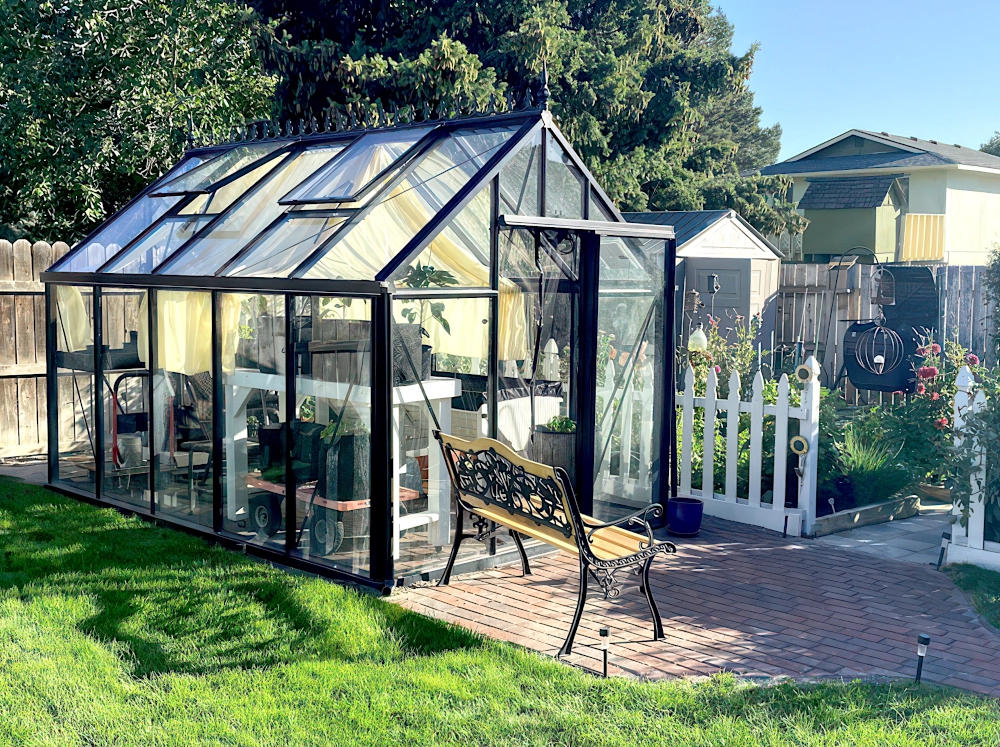
Sunlight passes through the clear roof and walls and warms the soil, plants, benches, and other surfaces inside. Those surfaces then release heat into the air, which raises the temperature inside the greenhouse.
A simple way to think about it is a car sitting in the sun. Even if the air outside is mild, the inside of the car can become much warmer because the sunlight gets in and the heat builds up. A greenhouse works in a similar way.
That warmth can be very helpful for plants, but it also means a greenhouse needs to be managed properly. On sunny days, it can heat up quickly if there is not enough ventilation.
How the inside of a greenhouse works
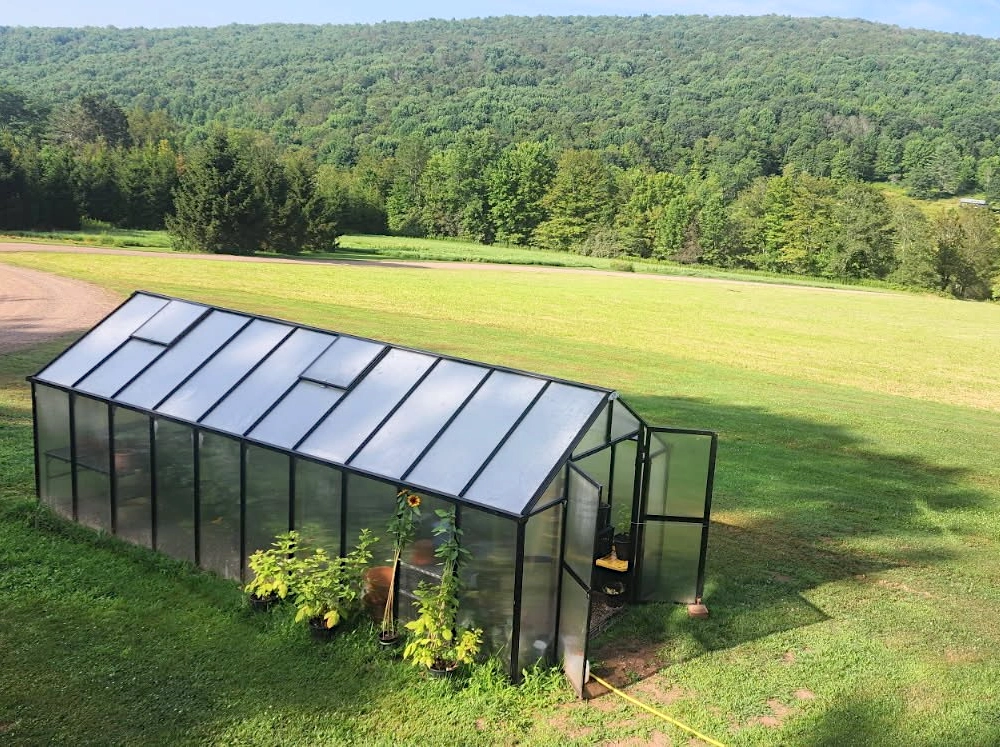
The inside of a greenhouse acts like a sheltered growing space. It helps create conditions that are better suited for plant growth than the outdoors alone.
Plants need light, warmth, air, and water. A greenhouse helps by improving control over those conditions.
Sunlight is especially important because plants use it for photosynthesis. That is the process they use to create energy for growth. A greenhouse lets in that light while also helping hold warmth around the plants.
At the same time, the structure helps protect plants from cold winds, heavy rain, and sudden weather changes. That is why greenhouses are often used for seedlings, tender plants, and crops that need more protection than an open garden can provide.
But a greenhouse is not automatically perfect just because it is enclosed. It can still get too hot, too cold, or too humid if conditions are not managed well.
Does a Greenhouse Stay Warm All the Time?
No — not all the time.
A greenhouse can become much warmer than the outside air during the day, especially when the sun is strong. But once the sun goes down, the temperature inside starts to fall.
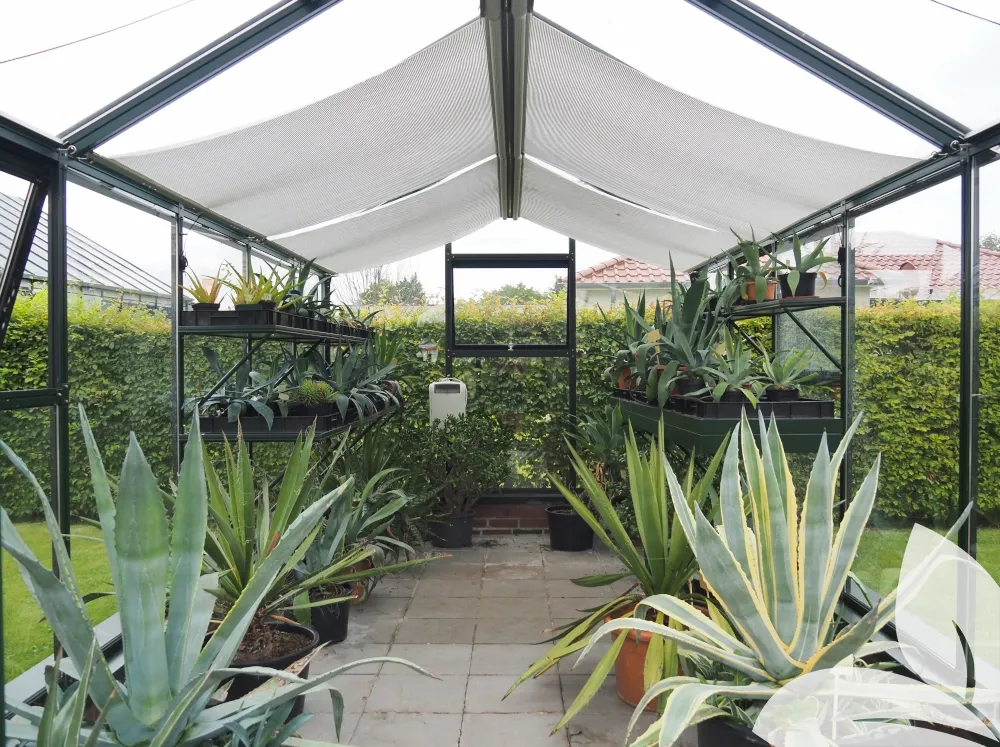
How quickly it cools depends on more than just the weather outside. It also depends on what is inside the greenhouse. An empty greenhouse usually heats up fast, but it also cools down fast. A greenhouse filled with plants, soil, benches, water, and other materials tends to hold temperature more steadily.
That is because those materials absorb warmth during the day and release it more slowly as the air cools. This is often called thermal mass. The more thermal mass a greenhouse has, the less sudden the temperature swings may feel.
So while plants do not replace insulation or heating, a full greenhouse often feels more stable than an empty one.
How well a greenhouse stays warm depends on things like:
- sunlight
- outdoor temperatures
- glazing material
- insulation
- airflow
- greenhouse size and design
- how many plants and materials are inside
- how much thermal mass it has
This is also why some greenhouses need extra help in certain seasons. In colder weather, insulation or heating may be needed. In hotter weather, ventilation and shade become very important.
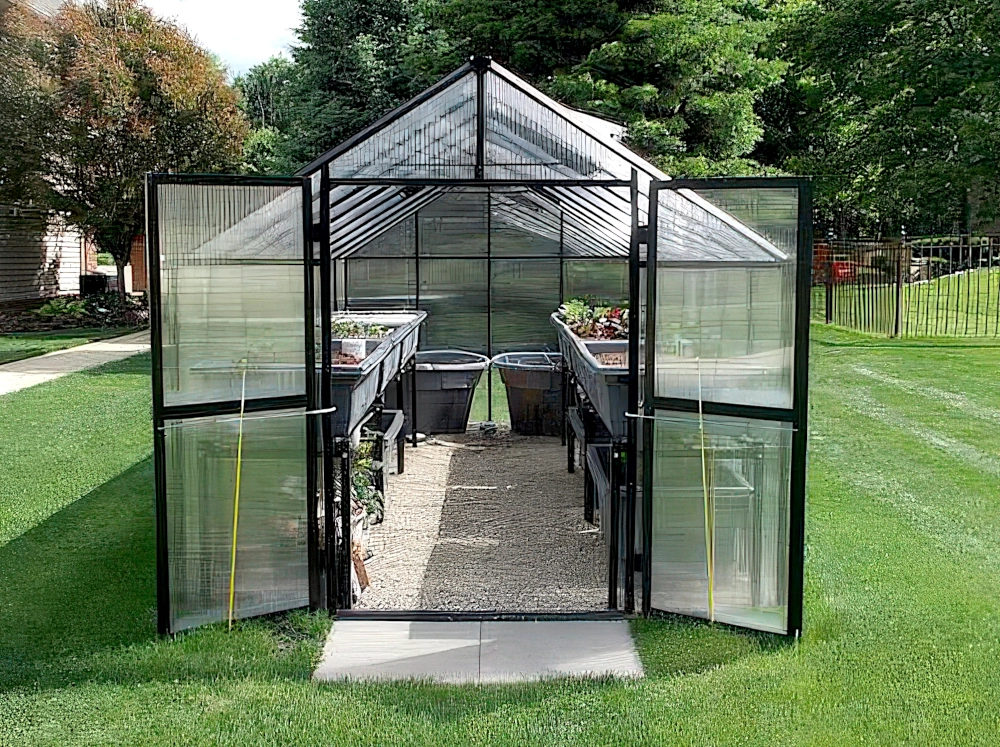
What Makes a Greenhouse Effective?
A greenhouse works best when it does more than just trap heat. It also needs to help you manage the growing environment.
Ventilation
Fresh airflow is important because a greenhouse can overheat quickly on sunny days. Roof vents, side vents, doors, and fans help release excess heat and bring in fresh air.
Insulation
In colder weather, insulation helps the greenhouse hold warmth longer. The type of glazing also matters here, since some materials insulate better than others.
Shade
Too much sun can be a problem, especially in summer or in very bright climates. Shade cloth or other shading methods can help protect plants from overheating and sun stress.
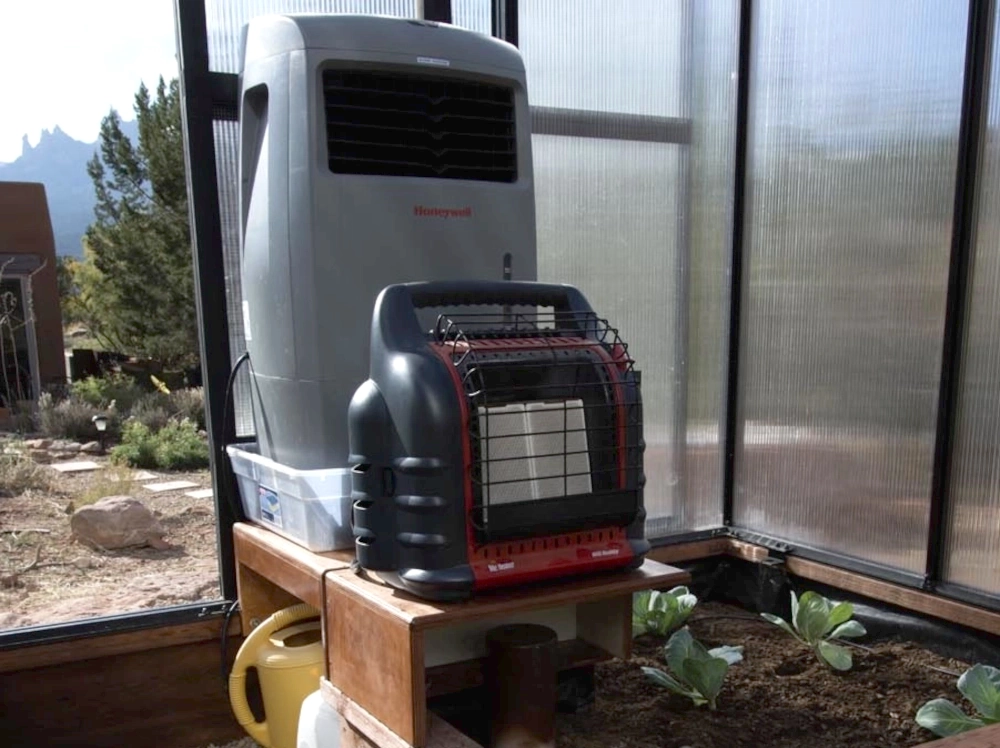
Heating
Some growers use heaters in colder months to help keep temperatures from dropping too low, especially at night.
In other words, a greenhouse is most effective when warmth, airflow, light, and protection are kept in balance.
So, How Does a Greenhouse Work?
A greenhouse works by creating a more controlled environment for plants.
It lets sunlight in, captures warmth, and protects plants from harsh outdoor conditions. That combination helps plants grow in a steadier space than they would have outside on their own.
But a greenhouse is not a set-it-and-forget-it structure. It works best when heat, airflow, light, and moisture are managed properly.
Once you understand that basic idea, the rest of greenhouse growing starts to make a lot more sense.
If you want to go deeper, you can also explore related guides on using a greenhouse in winter, using a greenhouse in summer, and choosing the right greenhouse for your space.


