

If you are shopping for a greenhouse, one of the first big decisions you will run into is glass vs. polycarbonate glazing. And it is an important one, because this choice affects how your greenhouse looks, how well your plants grow, and how easy it is to live with over time.
A lot of people come into this comparison assuming glass must be better and wondering if polycarbonate is any good. The truth is, both can be excellent options — but for different reasons.
In this guide, we will break down the pros and cons of glass and polycarbonate greenhouses, then help you figure out which one is likely the better fit for your climate, growing goals, and budget.
What this article covers:
- Are Glass Greenhouses Better?
- Are Polycarbonate Greenhouses Better?
- Is Glass or Polycarbonate Better for a Greenhouse?
- The Best of Both Worlds: Hybrid Greenhouses
- Should You Buy a Glass or Polycarbonate Greenhouse?
Quick Overview: Polycarbonate vs Glass Greenhouse
Glass
- Best for classic appearance and clear views
- Lets in more direct light
- Usually needs more climate control and cleaning
- More prone to breakage
- Often costs more upfront
Polycarbonate
- Better insulation in most hobby greenhouse setups
- Softens direct sunlight more
- More impact-resistant
- Less visually open than glass
- Quality and installation matter a lot
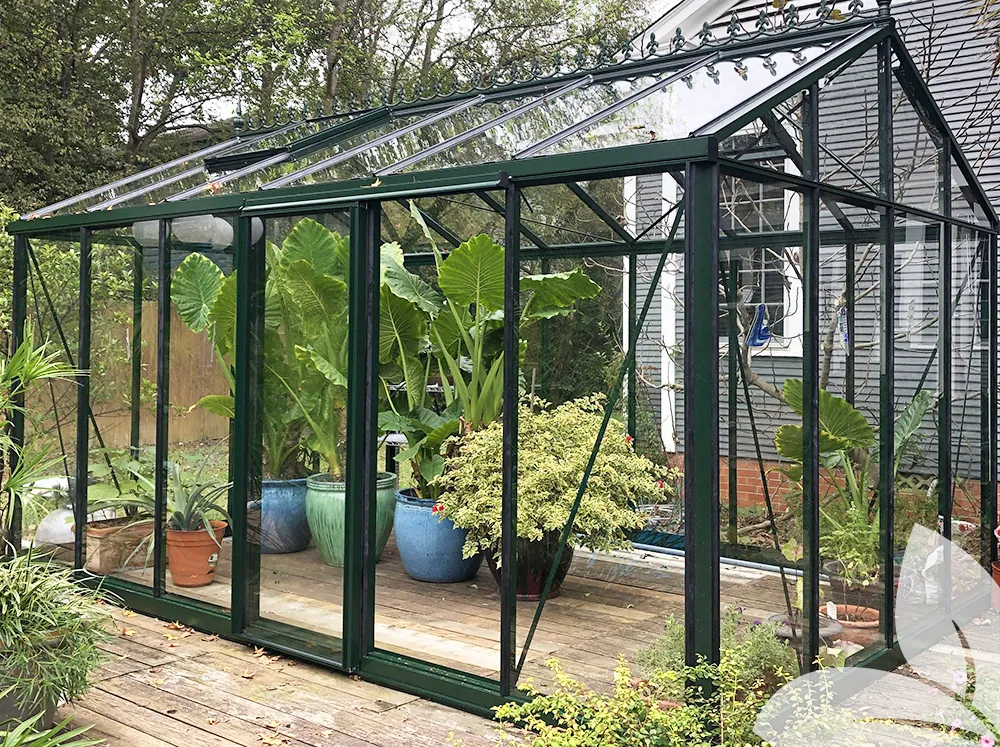
Are Glass Greenhouses Better?
For many people, glass is the material that first comes to mind when they picture a greenhouse. It has that classic, crystal-clear look that feels bright, elegant, and timeless in a backyard.
That visual appeal is a big reason people are drawn to it. But whether glass greenhouses are better really depends on whether you care most about appearance, clarity, and that traditional greenhouse feel — or whether your biggest priorities are insulation, softer light, and easier climate control.
Benefits of Glass Greenhouses
One of the biggest benefits of glass is its appearance. Glass gives you the most open, transparent look, which makes the greenhouse feel visually connected to the garden around it. If you want a greenhouse that feels like a beautiful backyard structure as much as a growing space, glass is hard to beat.
Glass also offers very high light transmission (around 90%). It lets in clear, direct light and preserves that bright, natural feel people often love. For some gardeners, that maximum clarity is part of the appeal.
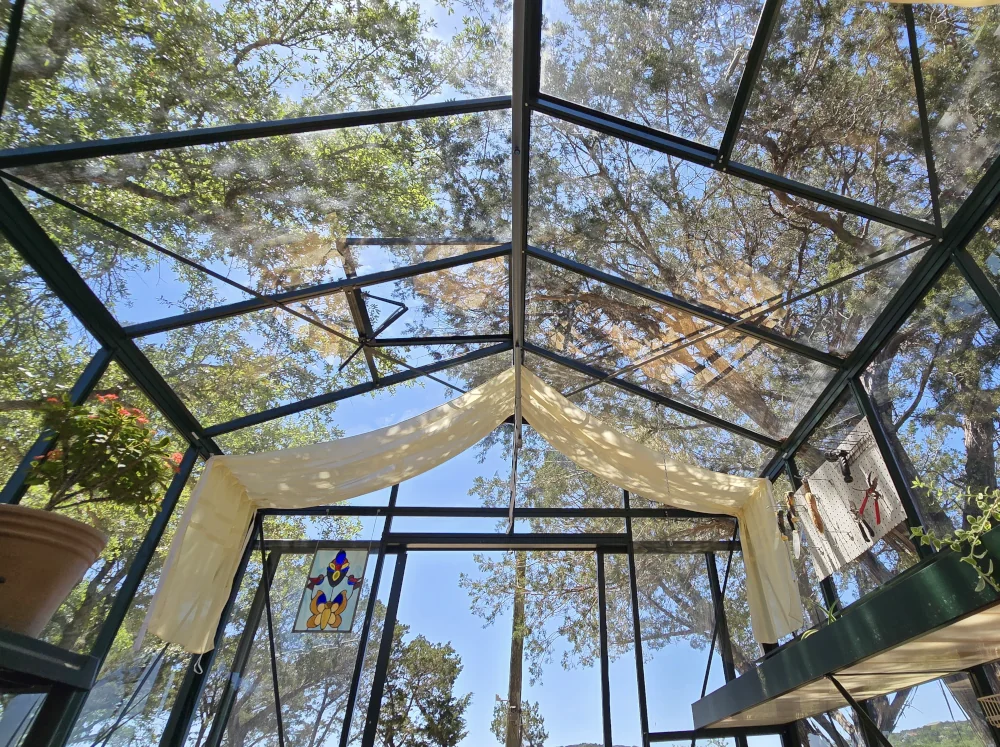
Another advantage is long-term visual durability. Glass does not scratch the way plastics can, and it does not turn cloudy from normal aging the way lower-quality glazing materials do. As long as it stays intact and is kept clean, it can maintain that crisp look for many years.
Glass can also be easier to replace in some situations. If a panel breaks, glass is often easier to source locally than a manufacturer-specific polycarbonate panel, depending on the greenhouse and glazing system.
Disadvantages of Glass Greenhouses
The biggest drawback to glass is that it usually does less to soften or buffer the greenhouse environment.
Because glass lets in more direct light, it can create a harsher growing environment on sunny days or in hot climates. A greenhouse may look beautiful in full sun, but direct overhead light can be intense on seedlings, tender plants, or crops that do not love excessive heat and exposure. That is one reason glass is not automatically the better choice just because it lets in more light.
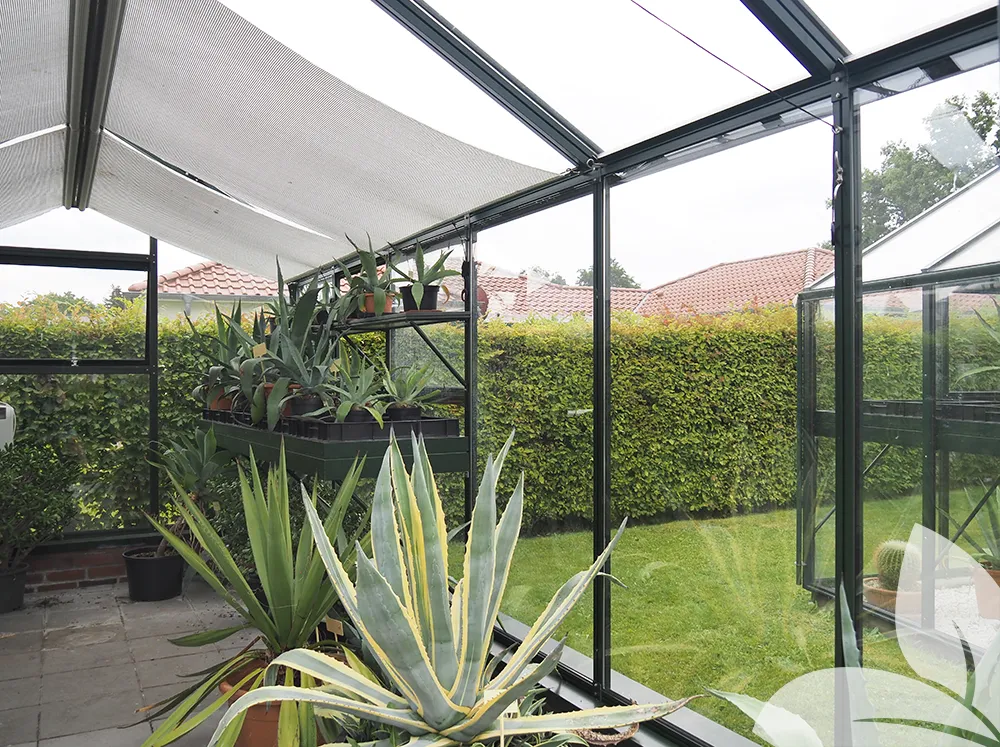
Glass also tends to insulate less effectively than multi-wall polycarbonate, especially in typical single-pane hobby greenhouse setups. That can mean more temperature swings, more heat loss at night, and greater dependence on heaters, vents, shade cloth, or other climate-control accessories.
Then there is breakage. Even tempered glass is still glass. It is more vulnerable to impact, installation mistakes, or accidents than polycarbonate. And because it is heavier, it can also be more cumbersome to transport, handle, and install.
Glass greenhouses are often more expensive upfront as well. The framing usually needs to be stronger, and shipping tends to be more demanding.
Maintenance is another consideration. If you want a glass greenhouse to keep that clear, pristine look, you will usually need to clean it more often, especially if you have hard water, irrigation splash, or a lot of dust or pollen in your area.
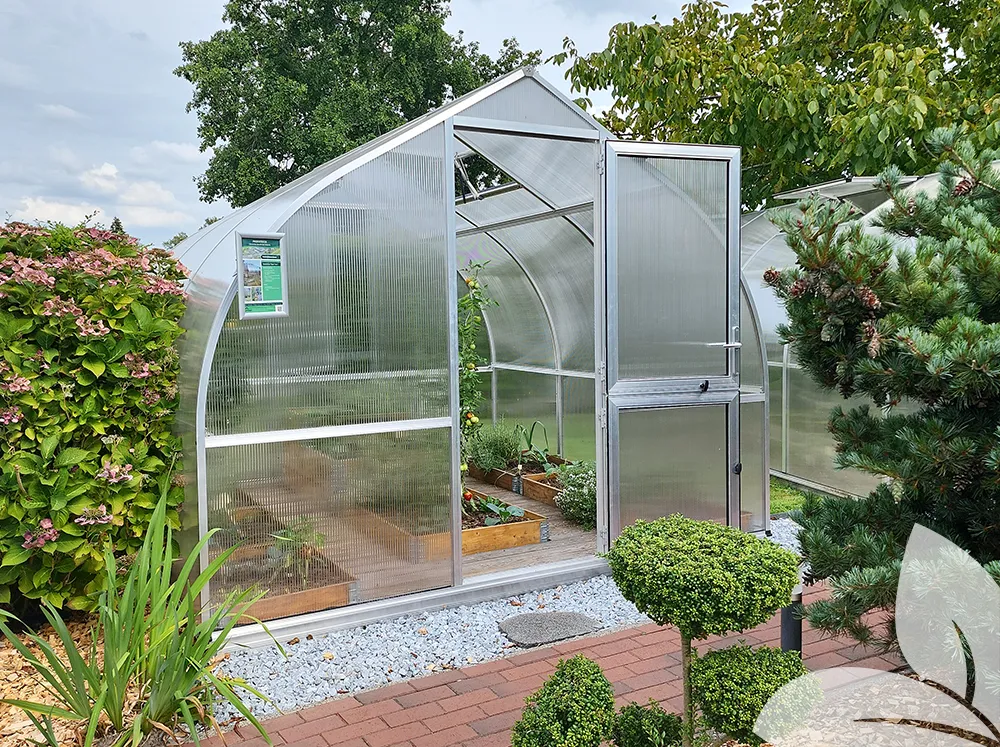
Are Polycarbonate Greenhouses Better?
Polycarbonate greenhouses are often chosen for practical reasons rather than romantic ones.
They do not usually have the same classic greenhouse look as glass, but they can create a more forgiving environment for growing. That is why polycarbonate is so often recommended for people who care most about plant performance, season extension, and easier climate management.
Benefits of Polycarbonate Greenhouses
One of the biggest advantages of polycarbonate is light diffusion.
Instead of letting in the same harsh, direct light as glass, polycarbonate softens and breaks up sunlight more. That can make the light feel less harsh inside the greenhouse, which is gentler on plants and easier to manage in climates with intense sun. Some specialty polycarbonate panels are also made specifically to diffuse light more evenly, which can be especially helpful for growers who want to reduce hot spots and create a softer light environment overall.
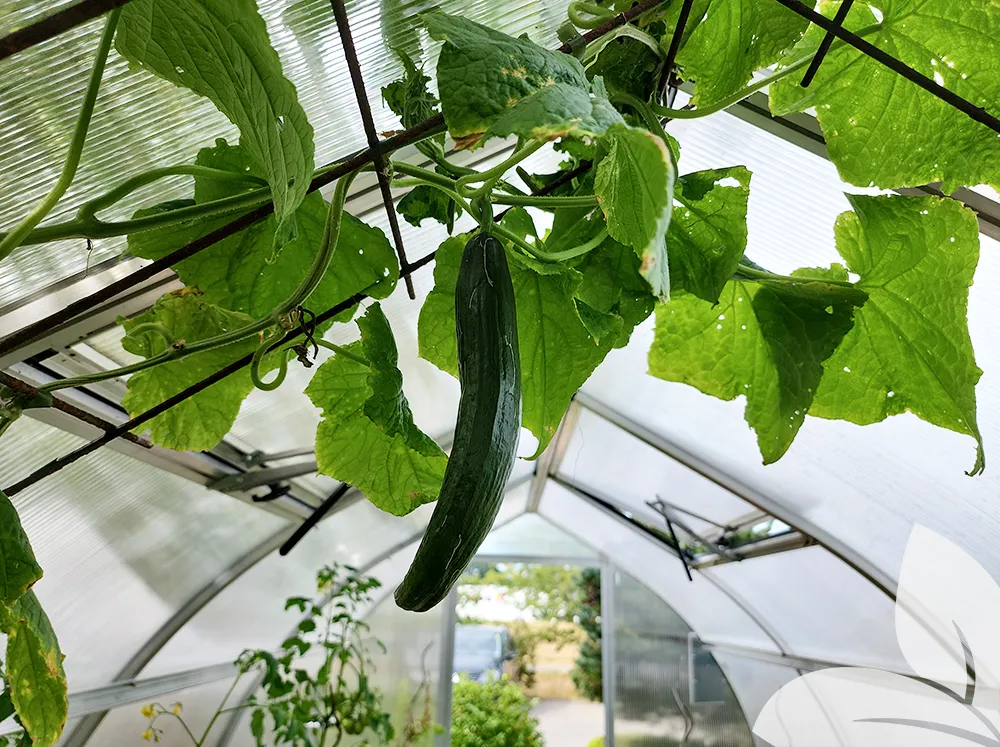
Polycarbonate also tends to insulate much better than standard glass when you are comparing typical hobby greenhouse glazing. Multi-wall panels have air space inside them, which helps retain heat and reduce temperature swings. That can make a greenhouse easier to manage and more effective for season extension.
Another major advantage is impact resistance. Polycarbonate is far less likely to shatter than glass, which makes it a practical choice in rougher weather, busy backyards, or situations where durability matters.
It is also lighter in weight, which can make handling and installation easier.
And while good polycarbonate is not necessarily cheap, it is often more practical from an upfront cost standpoint than a comparable glass greenhouse.
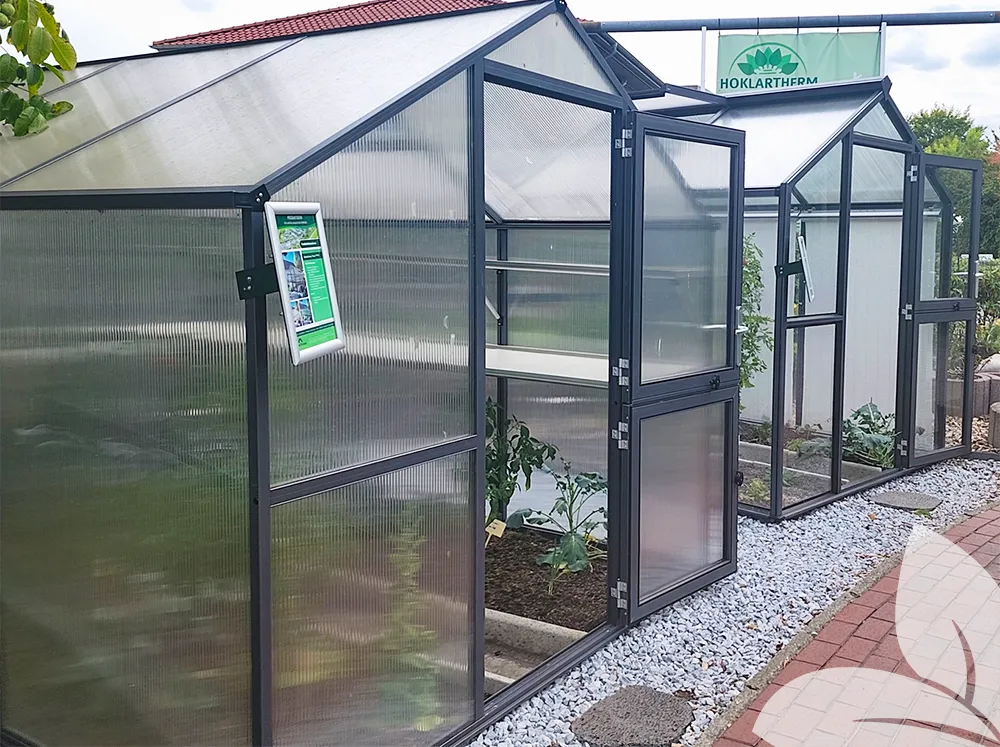
Disadvantages of Polycarbonate Greenhouses
The biggest drawback to polycarbonate for many people is appearance.
Even high-quality polycarbonate does not give you that same crystal-clear, classic greenhouse look. It tends to feel more functional than elegant, and for some buyers, that is a real compromise, especially if the greenhouse is going to be a major visual feature in the backyard.
Quality also matters a lot with polycarbonate. A good polycarbonate greenhouse and a cheap polycarbonate greenhouse are not the same experience. Thin or poorly designed panels can feel flimsy, rattle too much in the wind, or even pop out. Lower-quality panels may also age poorly and yellow.
Multi-wall polycarbonate can also develop issues if it is not installed correctly. If panel edges are not sealed well, the channels can collect dust, moisture, or build algae growth over time, and that is not easy to clean out later.
Replacement can be more complicated, too. With many greenhouse kits, polycarbonate panels are manufacturer-specific, so replacing one may depend on the brand and whether the matching part is still available.
Is Glass or Polycarbonate Better for a Greenhouse?
If you are trying to decide between a glass or polycarbonate greenhouse, it helps to think in terms of priorities instead of absolutes.
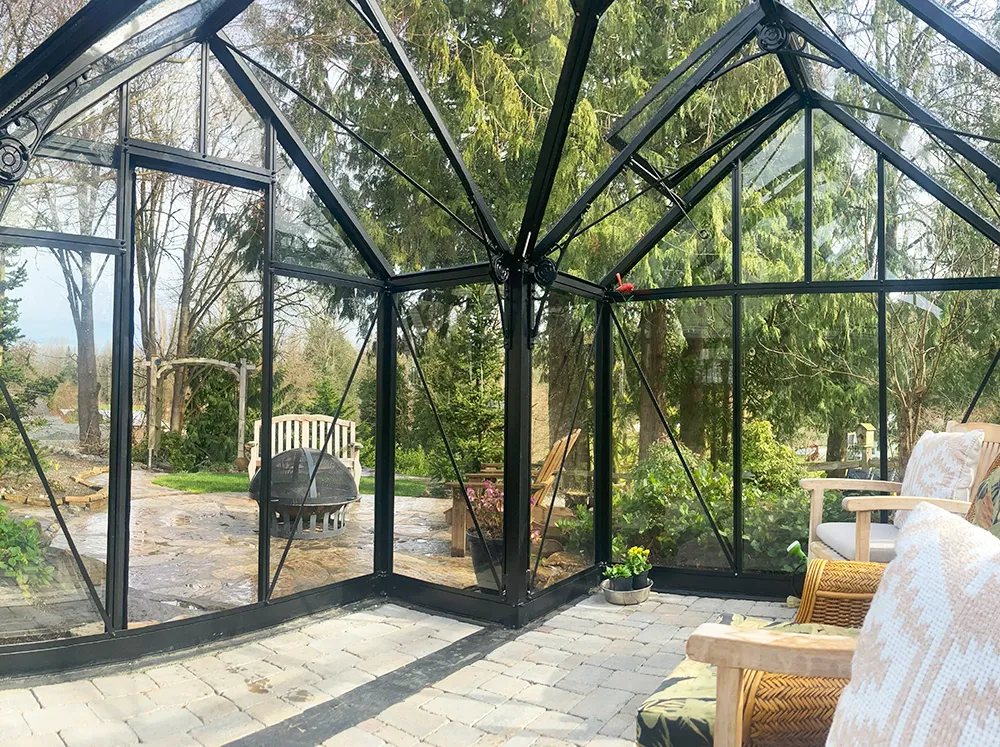
Glass may be better if…
Glass may be the better choice if the look and feel of the greenhouse matter just as much as its growing performance.
If you want a structure that feels open, bright, elegant, and visually connected to the rest of your garden, glass has a unique appeal. It can also make sense if you want maximum clarity and you do not mind being more proactive with climate control, cleaning, and the possibility of breakage.
For some people, that classic greenhouse experience is the whole point. And if that is your goal, glass can absolutely be the right choice.
Have a look at all our Glass Greenhouse Kits!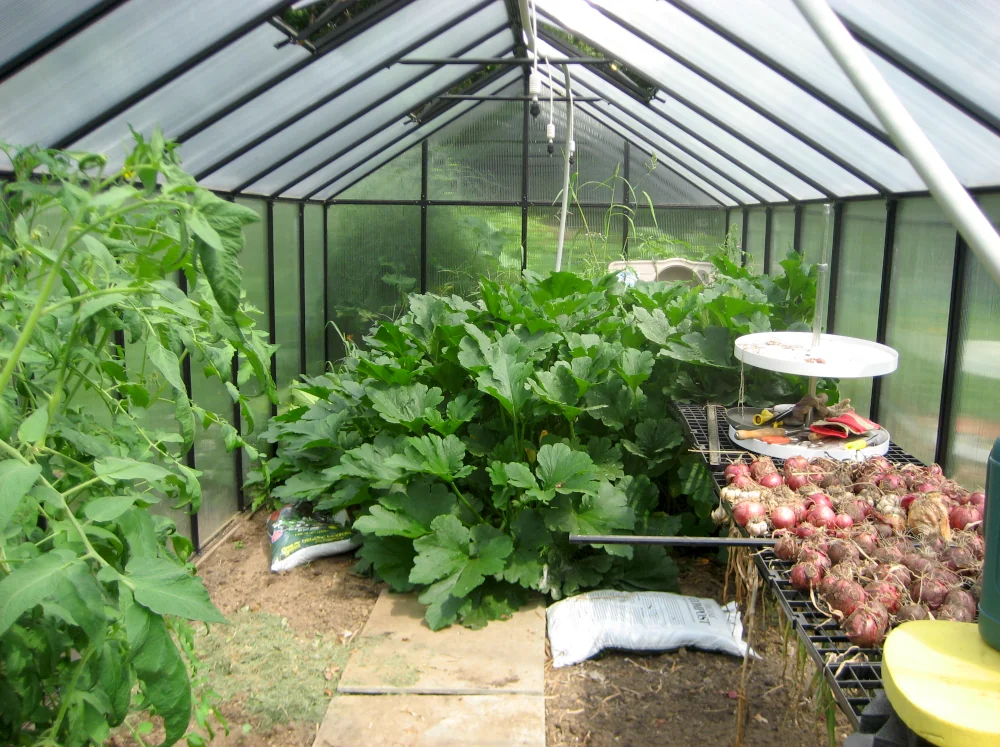
Polycarbonate may be better if…
Polycarbonate may be the better choice if your greenhouse is first and foremost a growing tool.
If you want better insulation, gentler light, less risk of breakage, and a more stable environment for plants, polycarbonate often makes a lot of sense. That is especially true if you live in a climate with intense sun, greater temperature swings, or you plan to use the greenhouse heavily for season extension or active plant growing.
It may not give you the same visual experience as glass, but it often gives you a more forgiving growing experience.
Have a look at all our Polycarbonate Greenhouse Kits!The Best of Both Worlds: Hybrid Greenhouses
If you like the look of glass but also like the growing benefits of polycarbonate, a hybrid greenhouse may be the smartest middle ground.
Hybrid greenhouses usually pair polycarbonate roof panels with glass walls.
That combination exists for a good reason.
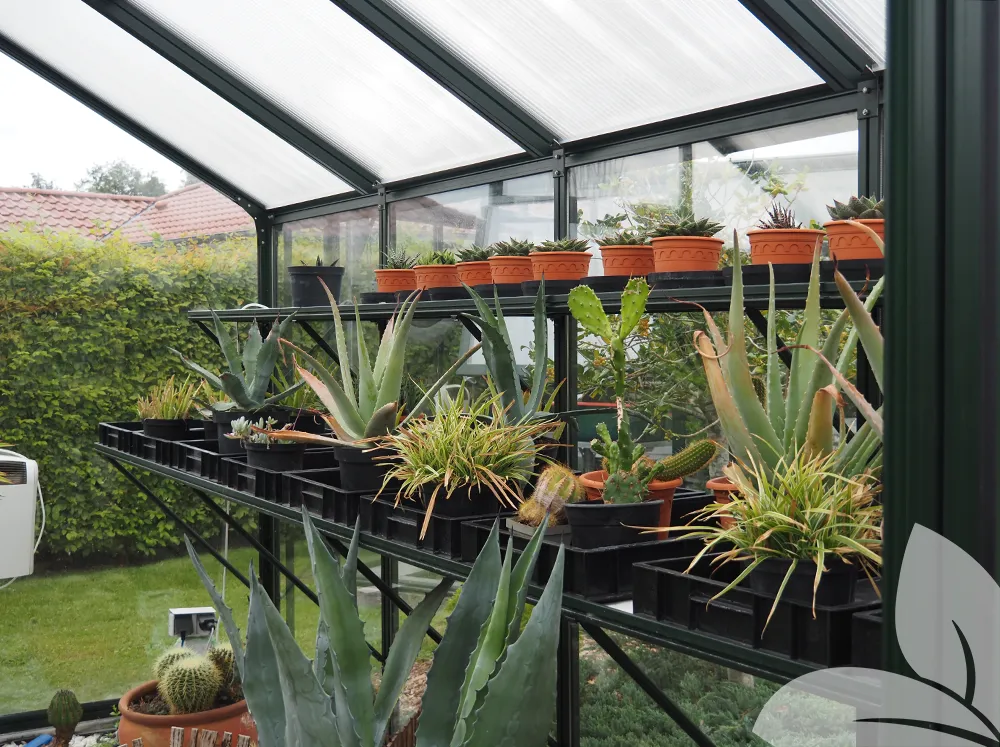
The roof is where a lot of the harsh overhead light and heat buildup happens. Using polycarbonate on the roof can help soften that intensity and make the greenhouse easier to grow in, while the glass walls preserve more of the classic greenhouse look and that bright, open feel. It can also make installation a little easier overhead because the roof panels are lighter.
So if full glass feels too harsh for your climate or growing goals, but full polycarbonate feels like too much of a compromise on appearance, a hybrid model is well worth considering.
Have a look at all our Hybrid Greenhouse Kits!Should You Buy a Glass or Polycarbonate Greenhouse?
In the end, the better greenhouse glazing is the one that fits your climate, what you want to grow, and how you want the space to feel. If appearance and clarity matter most, start by exploring glass greenhouses. If you want softer light and better insulation, look at polycarbonate greenhouses. And if you want a middle ground, hybrid greenhouses are worth a closer look.


